
The Challenge & Our Mission :
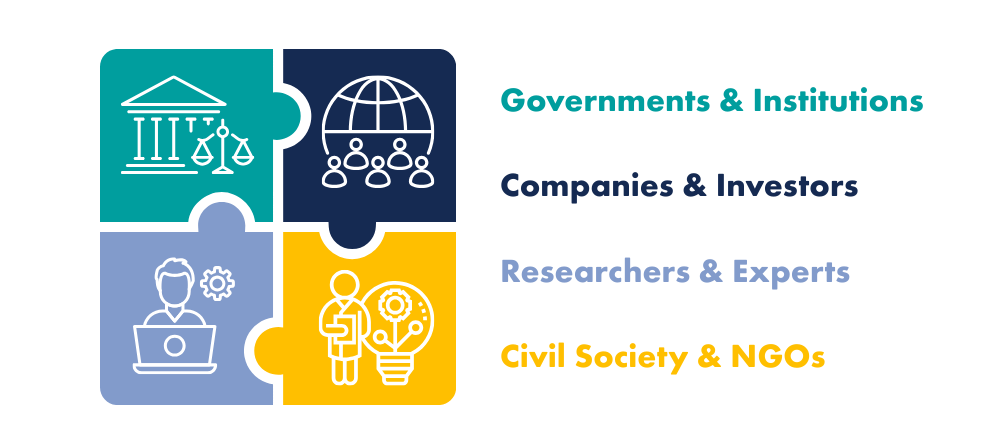
iRAISE is a global initiative to ensure that AI supports the healthy cognitive and emotional development of children. Led by everyone.AI and the Paris Peace Forum, it brings together researchers, industry, governments, and civil society to design AI with young people in mind—right from the start.
Grounded in neuroscience and child development, iRAISE fosters open, collaborative spaces where knowledge is shared, beneficial AI products are shaped, standards are developed, and policies are guided. Our mission is to build digital environments that are beneficial, inclusive, and truly supportive of children’s development.
This is a shared mission—for all who believe AI should grow for children, not at their expense.
A Global Initiative for iRAISE Alliance
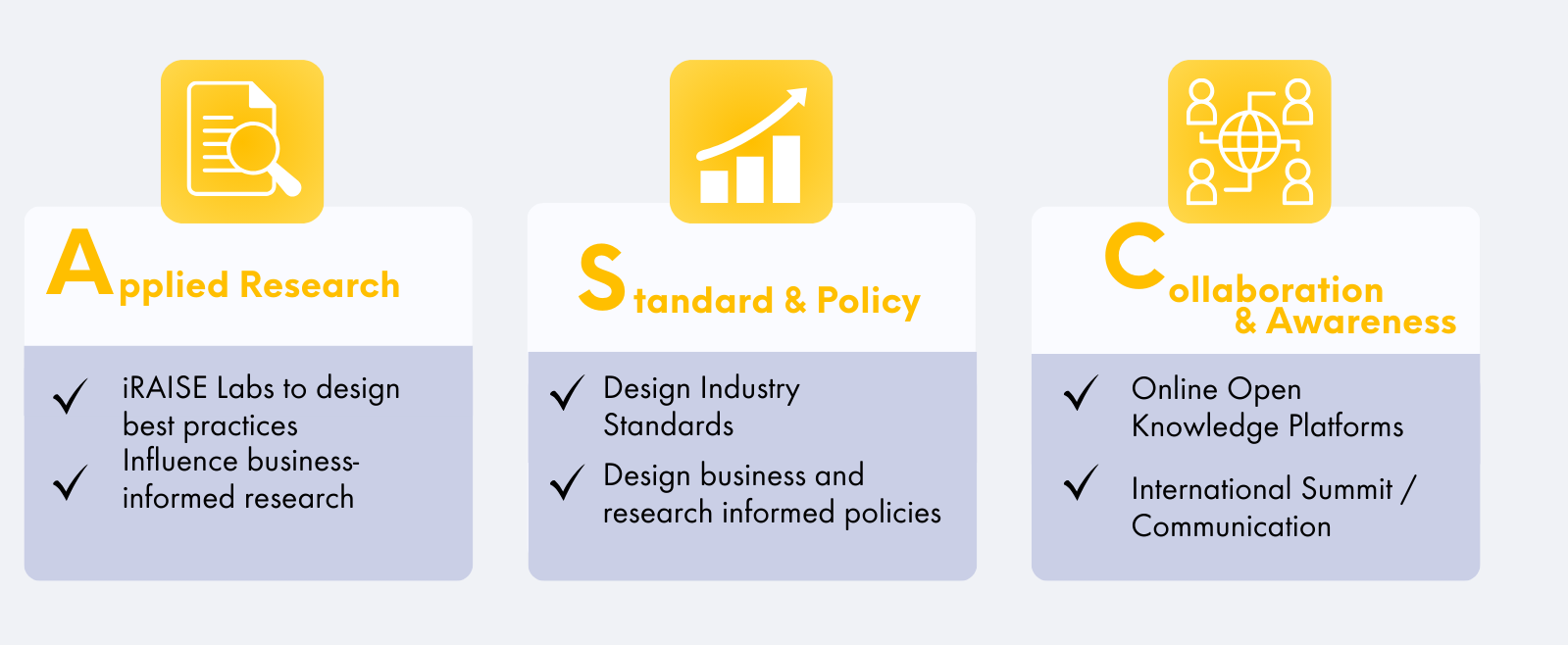
3 Pillars
The Coalition's Participants :
Governments
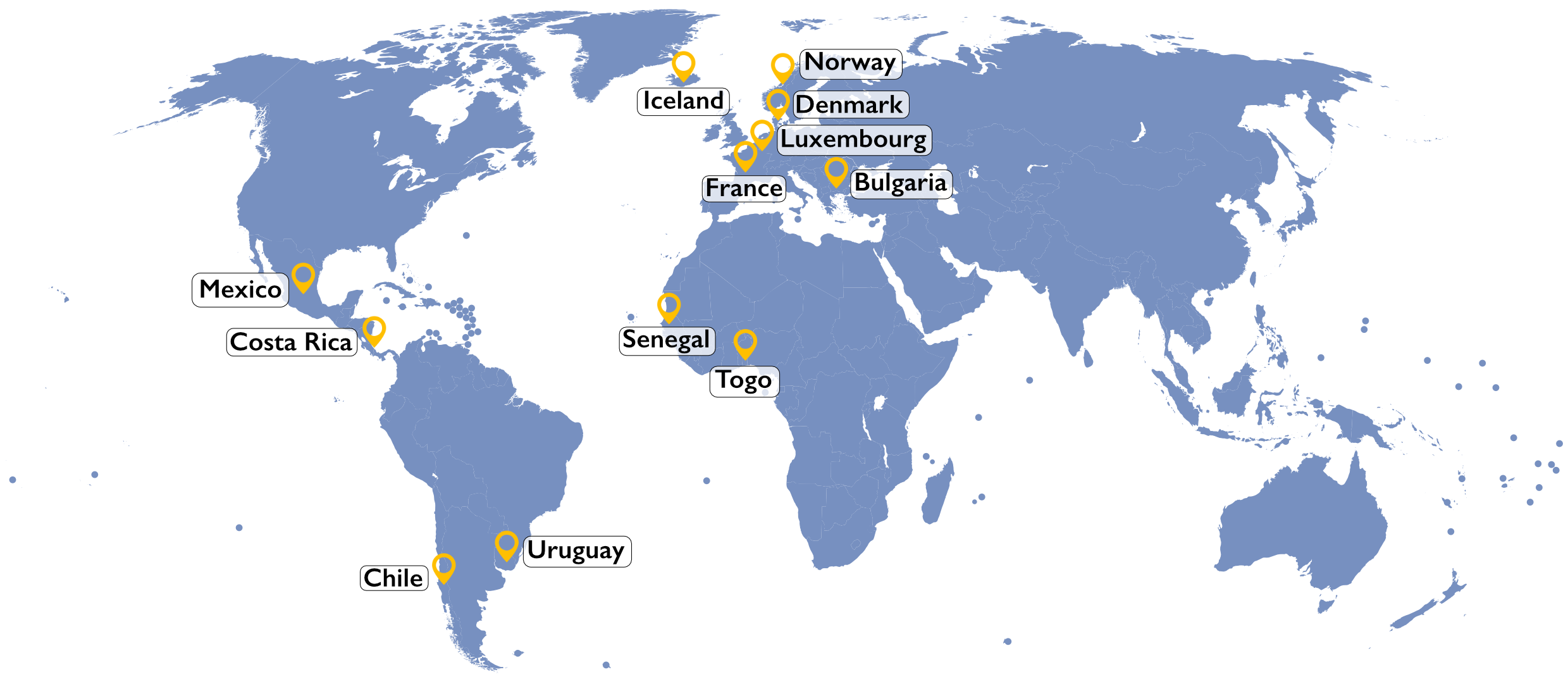
Companies








Innovative Startups


Labs / University








NGOs































Youth Voices NGO








Global Organizations supporting the work of the coalition


Experts & Researchers
AI Experts:
Pr. Stuart Russell, Professor of Computer Science, Cognitive Science, and Computational Precision Health, UC Berkeley, UCSF (US)
Dr. Luc Julia, Chief Scientific Officer Renault Group
Gregory Renard, Head Applied ML, Board President of everyone.AI
Pr. Laurence Devillers, Researcher at CRNS, President of the Blaise Pascal Foundation, Author, Sorbonne
Human Sciences Experts:
Dr. Sara Grimes, Wolfe Chair in Scientific and Technological Literacy and Professor in Communication Studies, McGill University
Dr. Mathilde Cerioli, Chief Scientific Officer everyone.AI
Dr. Maxime Derian, Research Associate at the C²DH – Digital Anthropology & Environmental History, Université du Luxembourg
Pr. Isabelle Hau, Executive Director, Stanford Accelerator for Learning, and Author of “Love to Learn”(US)
Dr. Jeff Hancock, Director Social Media Lab Stanford University
Dr. Jodi Halpern, Ph.D, Chancellor’s Chair, UC Berkeley
Dr. Mizuko Ito, Ph.D, Director Connected Learning Lab and Professor in Residence, University of California – Irvine
Dr. Amin Marei, Ph.D, Lecturer at Harvard Graduate School of Education
Dr. Caroline Lancelot Miltgen, Ph.D, Professor Audencia
Eglė Celiesienė, Research Fellow, Lithuanian College of Democracy
Policy Experts:
David Harris, Chancellor’s Public Scholar, UC Berkeley
Pr. Florence G’Sell, Visiting Professor Private Law, Stanford Cyber Policy Center
Dr. Teddy Nalubega, Head of AI Division, Knowledge Consulting Limited
Dr. Vera Radeva, Ph.D Lecturer at Sciences Po Paris, Affiliated PhD at CERI
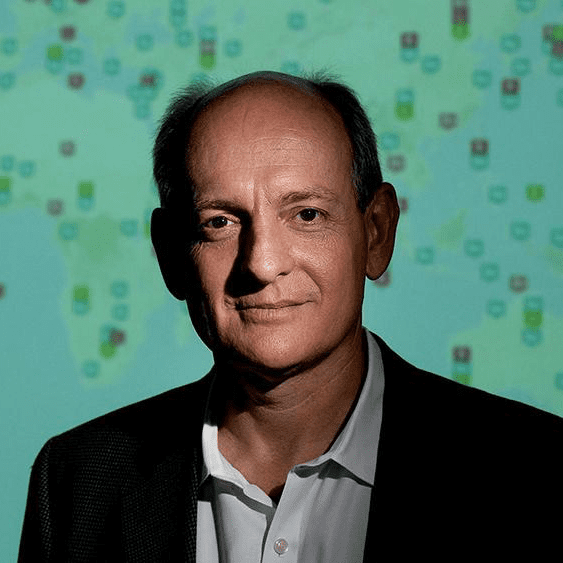
Stuart Russell
Professor of Computer Science, Cognitive Science, and Computational Precision Health, UC Berkeley, UCSF (US)
“The moral obligation to design AI systems so that they do not harm children is so obvious that it goes without saying. And yet it must be said: we are failing to do it, we don’t know how to do it, and we have few plausible proposals. Correcting this situation should be a high priority for researchers in industry and academia.”

Isabelle C. Hau
Executive Director, Stanford Accelerator for Learning, and Author of “Love tor Learn” (US)
“In a world driven by artificial intelligence, relational intelligence is our superpower—rooted in the relationships we build from the very start of life. In the relational economy, success isn’t what you take, but what you share. Trust and connection, cultivated from childhood, will always outperform isolation and efficiency.“

Teddy Nalubega
Head of AI Division, Knowledge Consulting Limited (Uganda)
“For the sustainability of our communities, engaging and training children on the realities of these emerging technologies, and their risks is critical.“

Michael Preston
Executive Director, Joan Ganz Cooney Center at Sesame Workshop (US)
“The design of AI tools must prioritize children’s best interests, expanding opportunities for playful, inclusive learning and healthy development—ideally co-created with children to ensure equity, safety, and meaningful innovation.“
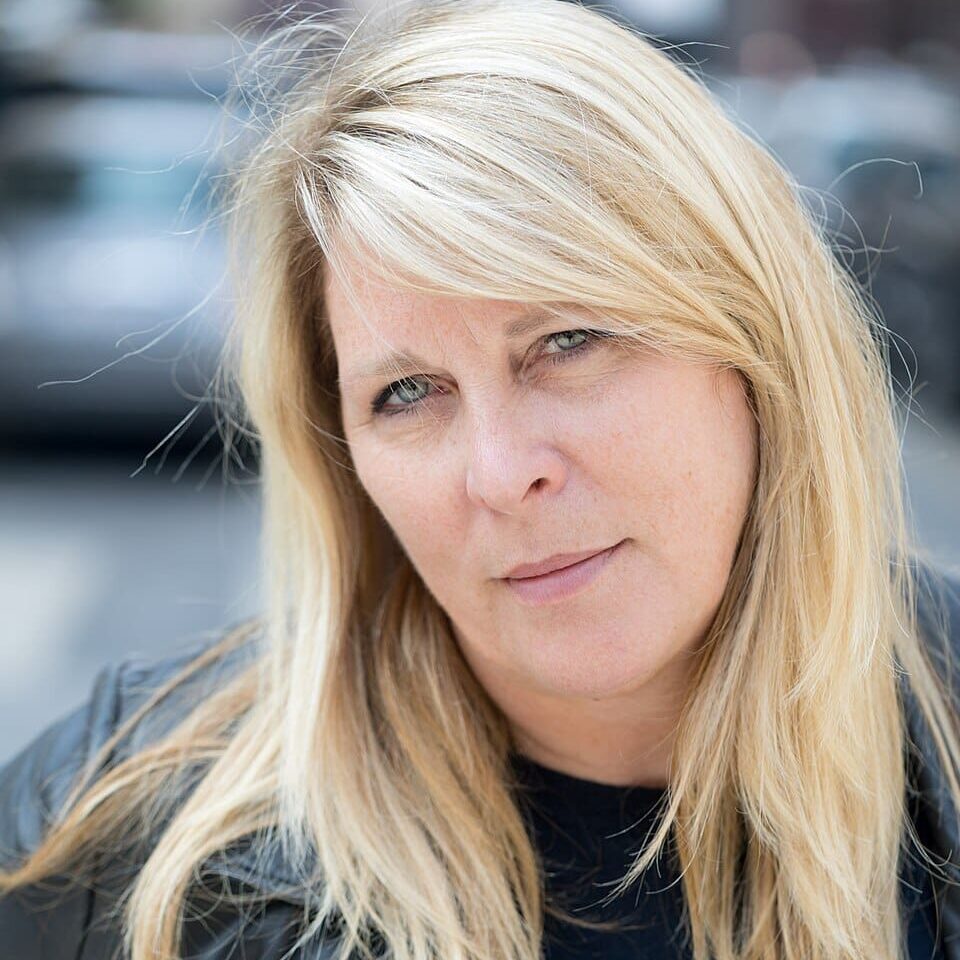
Laurence Devilliers
Professor of AI, Researcher at CRNS, President of the Blaise Pascal Foundation, Author, Sorbonne (France)
“Demystifying AI to anticipate the risks and opportunities for children and teenagers is essential to developing future talents and new skills, enriching our imagination and preserving our free will in the face of the massive arrival of AI.“

David Evan Harris
Chancellor’s Public Scholar, UC Berkeley (US)
“To ensure AI is safe for children, we need clear and enforceable guidelines for developers. Having worked in the tech industry, I know how crucial accountability is. By setting strong safeguards, we can prevent foreseeable risks and ensure AI serves the best interests of children. Europe has taken important steps in this direction and now has an opportunity to continue leading the way.“

Isabella Henriques
CEO of Alana Institute, Lawyer, Researcher on Artificial Intelligence (Brazil)
“Anticipating the benefits and risks of AI for children requires a multi-stakeholder, transdisciplinary approach, especially from the Global South, where the majority of children live. This is crucial to ensure that technology, which impacts children’s lives in diverse ways, enhances their development while safeguarding their rights, well-being, and future opportunities, and protecting them from commercial exploitation.“
Stuart Russell
Professor of Computer Science, Cognitive Science, and Computational Precision Health, UC Berkeley, UCSF (US)
“The moral obligation to design AI systems so that they do not harm children is so obvious that it goes without saying. And yet it must be said: we are failing to do it, we don’t know how to do it, and we have few plausible proposals. Correcting this situation should be a high priority for researchers in industry and academia.”

Isabelle C. Hau
Executive Director, Stanford Accelerator for Learning, and Author of “Love tor Learn” (US)
“In a world driven by artificial intelligence, relational intelligence is our superpower—rooted in the relationships we build from the very start of life. In the relational economy, success isn’t what you take, but what you share. Trust and connection, cultivated from childhood, will always outperform isolation and efficiency.“

Teddy Nalubega
Head of AI Division, Knowledge Consulting Limited (Uganda)
“For the sustainability of our communities, engaging and training children on the realities of these emerging technologies, and their risks is critical.“

Michael Preston
Executive Director, Joan Ganz Cooney Center at Sesame Workshop (US)
“The design of AI tools must prioritize children’s best interests, expanding opportunities for playful, inclusive learning and healthy development—ideally co-created with children to ensure equity, safety, and meaningful innovation.“

Laurence Devilliers
Professor of AI, Researcher at CRNS, President of the Blaise Pascal Foundation, Author, Sorbonne (France)
“Demystifying AI to anticipate the risks and opportunities for children and teenagers is essential to developing future talents and new skills, enriching our imagination and preserving our free will in the face of the massive arrival of AI.“
 David Evan Harris
 David Evan Harris
Chancellor’s Public Scholar, UC Berkeley (US)
“To ensure AI is safe for children, we need clear and enforceable guidelines for developers. Having worked in the tech industry, I know how crucial accountability is. By setting strong safeguards, we can prevent foreseeable risks and ensure AI serves the best interests of children. Europe has taken important steps in this direction and now has an opportunity to continue leading the way.“

Isabella Henriques
CEO of Alana Institute, Lawyer, Researcher on Artificial Intelligence (Brazil)
“Anticipating the benefits and risks of AI for children requires a multi-stakeholder, transdisciplinary approach, especially from the Global South, where the majority of children live. This is crucial to ensure that technology, which impacts children’s lives in diverse ways, enhances their development while safeguarding their rights, well-being, and future opportunities, and protecting them from commercial exploitation.“
Call for Action, Multi-Stakeholder Coalition for Beneficial AI in Childhood Development
AI is rapidly reshaping our world and how we interact with our environment. For children, however, those changes present unique challenges, as their brains are still developing. From birth to around 25 years of age, the brain experiences sensitive periods when learning is at its peak for specific skills, making it exceptionally adaptable but also leaving it particularly vulnerable in inadequately stimulating environments. AI holds significant potential in this context—it can either enhance development, notably through educational tools, or hinder it by reshaping the experiences that influence how children engage with the world and those around them.
To ensure AI supports rather than disrupts development, we must integrate deep human insight with technical innovation. AI can foster cognitive and socio-emotional growth, but only when it is designed with a deep understanding of human functioning. Unlocking its potential while minimizing harm requires building transdisciplinary collaborations across all stakeholders—including governments, international organizations, tech companies, investors, researchers, civil society representatives – NGOs, educators, families —to ensure the development, deployment and adoption of beneficial AI for children.
Everyone.ai and the Paris Peace Forum are co-launching a multistakeholder international coalition at the Paris AI Action Summit.
Launched during the AI Action Summit
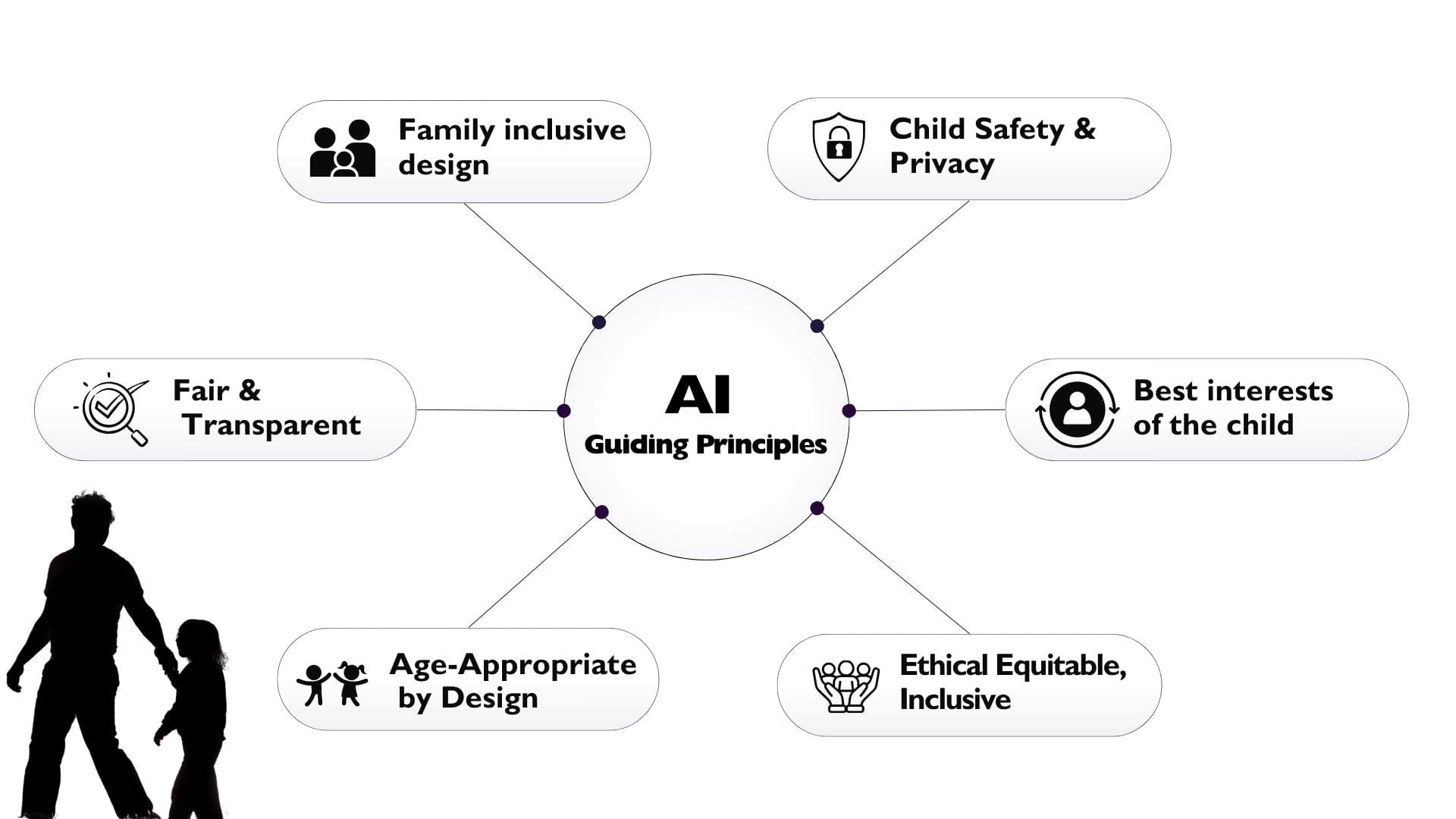
The Guiding Principles:
Objectives and Actions:
1. Establish, through continuous and structured dialogue including all stakeholders, shared guidelines that can support evaluation and mitigation of negative impact of AI products used by children. This work will be ongoing and evolve as our understanding improves. It will promote responsible AI development and deployment, prioritizing child safety, wellbeing and perspectives while allowing for equitable opportunities for all actors.
2. Leverage scientific evidence for systematic benefit and understanding of risk for AI products, and encourage long-term studies on the developmental, psychological, and societal impacts of AI on children.
3. Create a collaborative network of experts to provide ongoing guidance through dedicated committees and consultations, facilitating informed decision-making, fostering innovation, and enabling AI design and deployment to be aligned with children’s best interests, developmental needs and rights.
4. Facilitate transdisciplinary international collaborations among all stakeholders while acknowledging each industry’s unique strengths and challenges.
5. Promote AI education and literacy by developing comprehensive guidelines, pedagogical practices and educational programs that empower product developers, educators, parents, caregivers and children with the knowledge and tools to navigate and apply AI safely, responsibly and effectively.
Join the Movement !
Follow Us

Join the Movement!
Follow Us
Is your Government, Company, or NGO interested in making an impact? Join the Coalition and collaborate with like-minded partners to drive meaningful change. For more information, contact Anne-Sophie at annesophie@everyone.ai.